This test is available for £40 at Patrington Pharmacy (HU12 0RA).
Harley Diagnostics
Benefits of Monitoring Your Vitamin D Levels
Vitamin D, often called the “sunshine vitamin“, is essential for your overall health. It helps the body regulate the amount of calcium and phosphate, which are vital nutrients for keeping your bones, teeth, and muscles healthy. Regularly monitoring your vitamin D levels can help you prevent health issues associated with a deficiency and ensure you’re maintaining a healthy lifestyle.
Early Deficiency Detection
Detect and treat deficiencies
Strong Immune System
Improves your body's defences
Vital for Bone Health
Vitamin D is vital for healthy bones
Improved Mood
Improve mood with optimal vitamin D levels
Harley Diagnostics
What Are the Symptoms of Vitamin D Deficiency?
A lack of vitamin D can lead to serious health problems. In children, it can cause bone deformities such as rickets, while in adults, it may lead to bone pain and a condition called osteomalacia. Other symptoms of a deficiency can include:
A feeling of persistent tiredness or lack of energy that isn’t relieved by rest.
2
Frequent illness
A weakened immune system, leading to a higher risk of colds, flu, and other infections.
3
Bone loss
A decrease in bone density, making bones more brittle and prone to fractures.
4
Mood changes
An increased risk of depression, anxiety, or other psychological symptoms.
5
Bone and muscle pain
Aches or tenderness in bones and muscles, which can be mistaken for other conditions.
6
Hair loss
May lead to excessive or noticeable hair shedding that is not caused by other factors.
How it works
How Does the Rapid Vitamin D Test Work in Patrington?
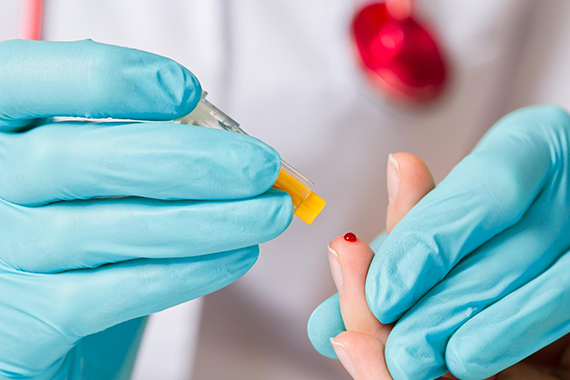
Our rapid test is a simple and efficient way to check your vitamin D levels. The process involves a quick and easy finger-prick blood test.
A small blood sample is collected and applied to a special test card.
The test card is inserted into an analysis machine.
Results are provided within 15 minutes, right at the pharmacy.
The clinic can also give you advice on supplements or signpost you to your GP, if required
Overview
What does the test look for?
The test measures the serum concentration of 25-hydroxyvitamin D (25(OH)D), which is considered the most reliable indicator of your overall vitamin D status.
Your details will be confirmed by a member of the team performing the test.
2
Blood Collection
The professional will perform a simple and minimally invasive finger-prick to collect a small blood sample.
3
Rapid Analysis
The blood sample is analysed on-site using a special test card and a test analysing machine.
4
Results
You will receive your results in just 15 minutes, allowing for rapid insight into your vitamin D status.
5
Advice
The clinic might also provide advice on supplements or they may signpost you to your GP if required.
Harley Diagnostic
What do your vitamin D test results mean?
The test results are provided on the test report in both nanomoles per litre (nmol/L) and nanograms per millilitre (ng/mL) measurements.
When you get your test results, your vitamin D levels will be shown in two measurements: nanomoles per litre (nmol/L) and nanograms per millilitre (ng/mL). The following table shows what your results mean and indicate.
Vitamin D Level (nmol/L)
Vitamin D Level (ng/mL)
What do your results indicate?
When should I retest?
Less than 25 nmol/L
Less than 10 ng/mL
Deficient
25(OH)D levels below 25 nmol/L indicate Vitamin D deficiency risk. Consult your doctor or healthcare professional for supplementation advice.
If you start to take supplements and make diet and lifestyle changes, you may retest in 3–6 months to find out if your levels have improved.
25 to 50 nmol/L
10 to 20 ng/mL
Insufficient
25(OH)D levels between 25–50 nmol/L are insufficient/suboptimal. Speak with your healthcare professional for advice on supplementation and lifestyle changes.
If you start to take supplements and make diet and lifestyle changes, you may retest in 3–6 months to find out if your levels have improved.
50 to 75 nmol/L
20 to 30 ng/mL
Adequate
Vitamin D levels between 50–75 nmol/L are adequate. Discuss with your healthcare professional for advice on supplements and lifestyle changes to achieve the optimal level.
If you start to take supplements and make diet and lifestyle changes, you may retest in 6–12 months to find out if your levels have improved.
Above 75 nmol/L
Above 30 ng/mL
Optimal
Vitamin D levels above 75 nmol/L are optimal. Maintain current intake and healthy lifestyle. Caution: Levels above 250 nmol/L pose a toxicity risk.
You may retest annually to monitor your vitamin D levels.
Please be aware that different laboratories, manufacturers, and providers may use slightly different reference ranges. The reference ranges provided on this page are for general guidance only and represent commonly accepted clinical thresholds.
This rapid blood test is designed solely as an initial screening tool for triage and is not a substitute for a full lab-based venous blood draw. The results offer quantitative insights but are for informational purposes only and should not be considered a medical diagnosis. Any abnormal or significant result must be followed up with a medical assessment with your doctor and potential confirmatory lab-based testing.
Vitamin D is a fat-soluble vitamin that is crucial for maintaining the health of your bones, teeth, and muscles. Your body produces it when exposed to sunlight, and it can also be found in certain foods and supplements.
What steps can be taken if you are found to be deficient in Vitamin D?
If your test results indicate a vitamin D deficiency, the healthcare professional can provide personalised recommendations based on your needs. These recommendations may include:
Dietary changes: Incorporating foods rich in vitamin D, such as fatty fish (salmon, mackerel), egg yolks, and fortified foods like cereals and milk.
Lifestyle advice: Spending more time in the sun to help your body naturally produce vitamin D whilst following sun safety precautions.
Supplementation: Taking a daily vitamin D supplement. Your healthcare provider can recommend a suitable dosage and type (D2 or D3). It is important to follow the advice of a healthcare professional and not to self-medicate.
Who should consider getting a rapid Vitamin D test?
Anyone aged 18 years or over can take this test; you don’t need a doctor’s referral. People who have risk factors for deficiency, such as being over 50, having darker skin, limited exposure to sunlight, or being obese, should consider getting tested. Additionally, anyone experiencing vague symptoms like persistent fatigue, bone pain, muscle weakness, or frequent illnesses may find the test helpful in understanding more about the cause of their symptoms.
Does the test require any special preparation, like fasting?
No, the test is typically a finger-prick blood test, which does not require you to fast.
Is the test suitable for children?
The service is primarily for adults; therefore, we can only offer this test to those aged 18 years and over. Please consult with your GP if you are aged below 18 years old.
What is the difference between Vitamin D2 and D3?
Vitamin D comes in two forms: D2 (ergocalciferol), which is derived from plants, and D3 (cholecalciferol), which comes from animals. The body absorbs D3 more easily than D2.
Is it possible to have too much Vitamin D?
Yes. Taking excessive amounts of vitamin D can lead to a condition known as vitamin D toxicity. This can cause symptoms like nausea, vomiting, and increased thirst, and in severe cases, it can be harmful to your health. It is important to follow a doctor’s or healthcare professional’s guidance when taking supplements.
What if I am found to have a severe deficiency?
If your results show a severe deficiency, the medical expert on-site will provide immediate advice and recommendations. This may include advice on supplements, lifestyle changes or referring you to your GP.
We use cookies to ensure that we give you the best experience on our website. If you continue to use this site we will assume that you are happy with it.








.png)